Carbon Monoxide: Stay Safe This Winter
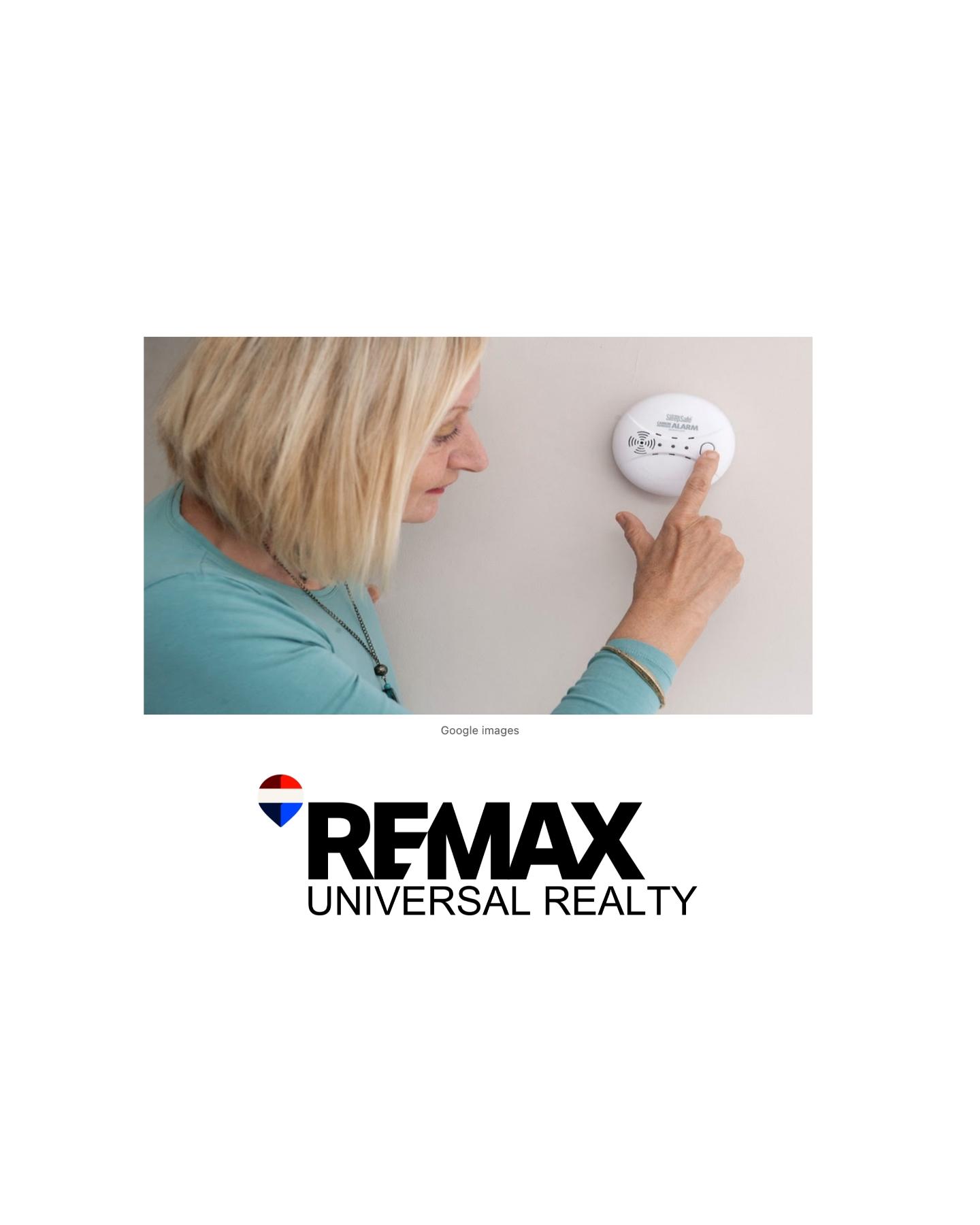
As the temperatures drop and furnaces, fireplaces, and space heaters get more use, it’s a good time to talk about a hazard you can’t see, smell, or hear: carbon monoxide (CO). What Is Carbon Monoxide? Carbon monoxide is an odorless, colorless gas...
As the temperatures drop and furnaces, fireplaces, and space heaters get more use, it’s a good time to talk about a hazard you can’t see, smell, or hear: carbon monoxide (CO).
What Is Carbon Monoxide?
Carbon monoxide is an odorless, colorless gas that can cause sudden illness and death if inhaled. It’s produced whenever fuel burns incompletely, which means furnaces, water heaters, gas stoves, generators, grills, and car engines can all be sources.
The risk climbs in cold weather. When winter temperatures plummet and home heating systems run for hours, the risk of CO poisoning increases. The CDC also notes that at least 420 people die in the U.S. each year from accidental CO poisoning. The good news is that CO poisoning is entirely preventable. Carbon Monoxide (CO) Poisoning Prevention +2
Know the Warning Signs:
-Flu/cold symptoms
-Nausea
-Shortness of breath
-Headache
-Confusion
-Dizziness
-Loss of consciousness
Simple Steps
Install CO alarms. Place them in bedrooms, and near your furnace. There should be at least one on every level of your home. Test them monthly and replace them according to the manufacturer’s instructions.
Maintain your appliances. A CDC toxicologist has pointed to yearly maintenance of gas-burning home appliances as one of the primary ways to prevent poisoning. Have your furnace, chimney, and water heater serviced and inspected each fall.
Never run fuel-burning equipment indoors. That includes generators, grills, camp stoves, and charcoal burners, even in a garage with the door open. Keep gasoline or diesel generators well away from windows, doors, and vents.
Don’t heat your home with the oven or stove. They aren’t designed for it.
Never idle a car in an attached garage. CO can seep into the house within minutes.
Be extra careful during power outages. Winter storms are when many incidents happen, if people turn to alternative heat and power sources. (Of course, wood stoves are safe if installed correctly).
If the Alarm Sounds
Don’t investigate or try to silence it. Leave your home immediately and call 911. Yes, really!!! I treated enough CO patients in the ER to know this really is an emergency. Get everyone, pets included, into fresh air, and don’t go back inside until emergency responders say it’s safe.
Learn More
For symptoms, prevention tips, and what to do after exposure, visit the CDC’s Carbon Monoxide Poisoning Basics page.
A $30 detector is a small price for the peace of mind it buys. Check yours this weekend.
For information on the real estate market, contact me at 920-286-0570

Written by